Find the Right Sleep Audio for the Way You Sleep
Slumber Audio compares sleep headphones, earbuds, headbands and sleep masks with built-in speakers, using specs and prices from the brands’ own pages, so you can choose gear that stays comfortable all night.
- Four types of sleep gear
- Specs from brand pages
- Pros and cons for every pick
Browse Sleep Audio by Type
Each type solves a different problem. Start with the one that matches what bothers you most, whether that is pressure on your ears, light, or outside noise, then open the full guide for comparisons and picks.
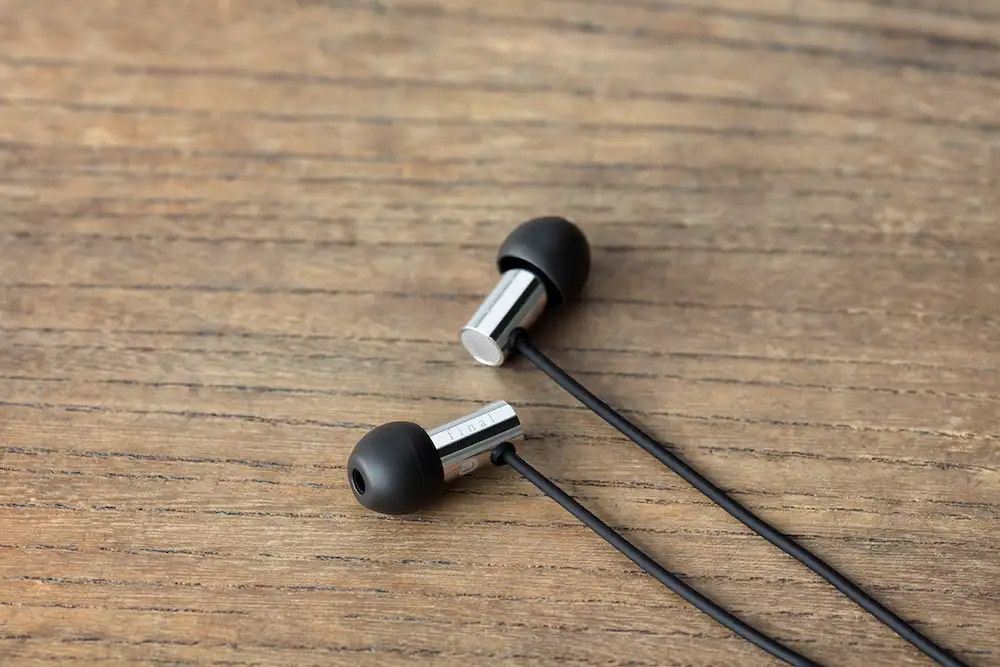
Headphones for Sleeping
The widest guide on the site. In-ear, headband and wireless designs are compared side by side, with specs, prices and pros and cons for each.
See headphones for sleeping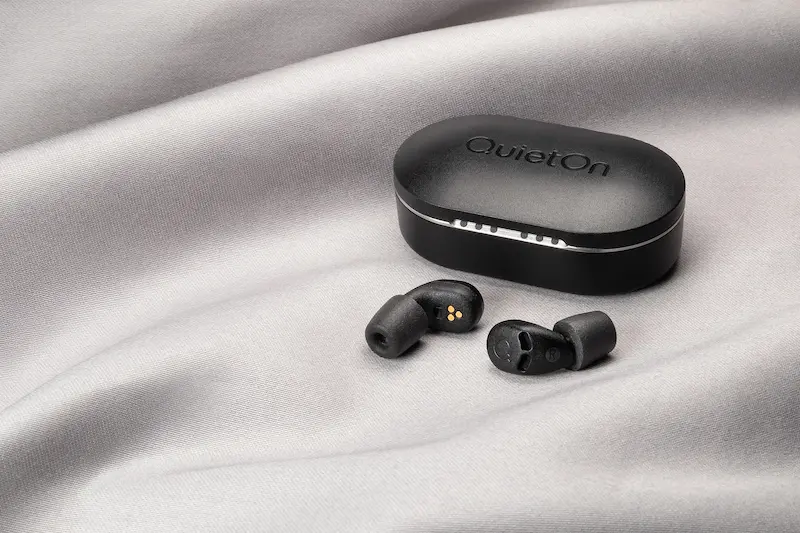
Sleeping Earbuds
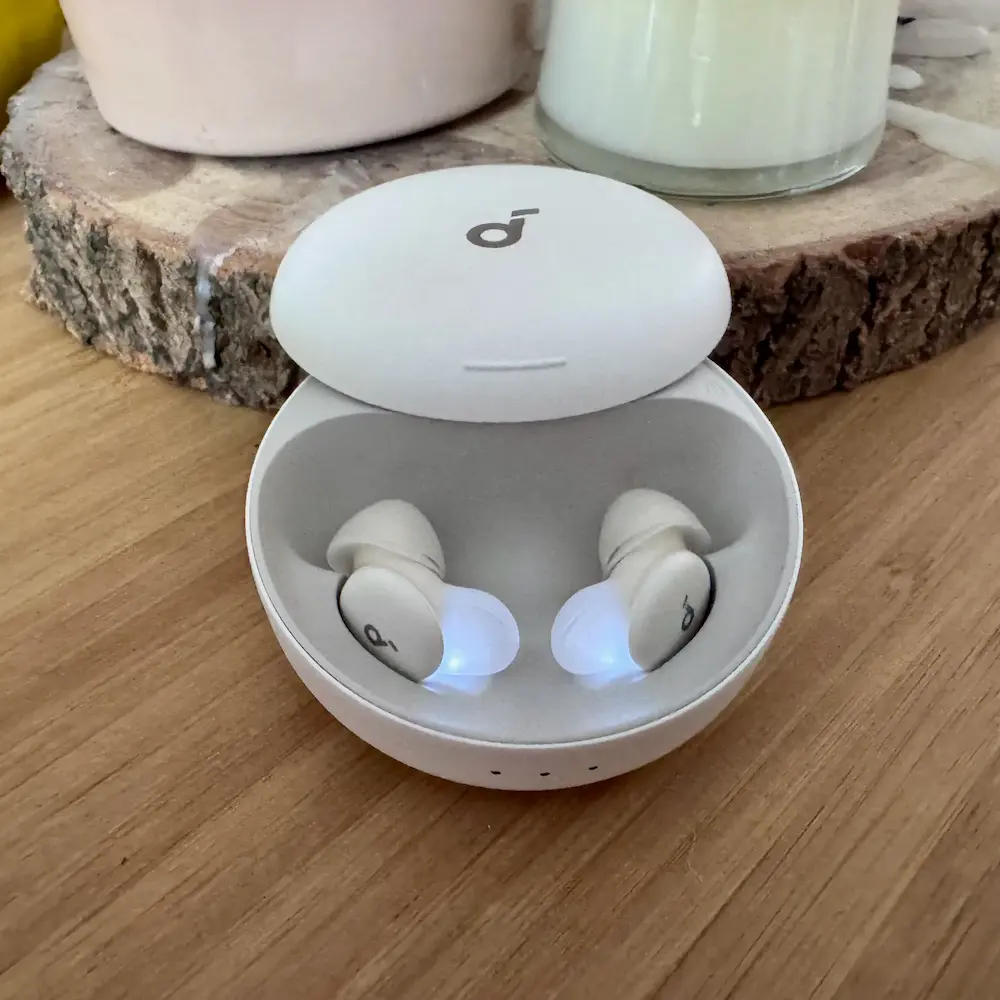
Small and discreet, built to sit low in the ear. Compare sleep-specific models with everyday earbuds that can double for bedtime.
See sleeping earbuds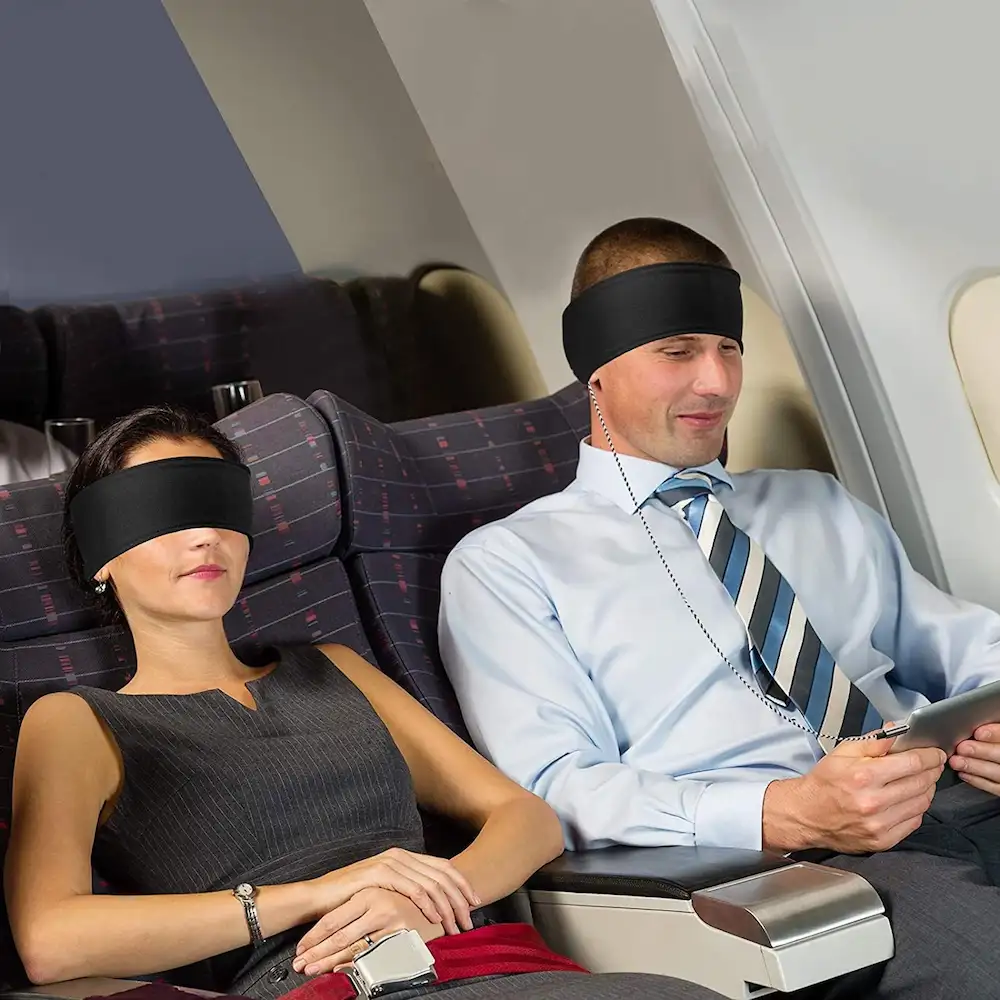
Sleep Headbands
A soft fabric band with thin, flat speakers instead of anything in the ear canal, an option for people who find earbuds uncomfortable.
See sleep headbandsSleep Masks with Headphones
Light blocking and built-in speakers in a single piece. See how Bluetooth sleep masks compare on comfort, fit and sound.
See sleep masks with headphonesNot Sure Where to Start?
- You want something small and discreetSleeping earbuds
- Earbuds irritate your earsSleep headbands
- Light wakes you as much as noise doesSleep masks with headphones
- You want to compare every style firstHeadphones for sleeping
Why Sleep Audio Is Its Own Category
Everyday headphones are designed for sitting up. Lying on a pillow changes the rules: pressure, profile and cables matter in ways they never do on a commute.
Gear made for sleep focuses on a low profile, soft materials and a design that will not dig in at 3 a.m. That is why Slumber Audio sorts products by how they sit on your head, and why comfort comes first in every comparison.
What to Look for Before You Buy
- Comfort and profile: how flat and soft the part touching your pillow is often matters more than sound quality.
- Battery or cable: wireless gear has to last the whole night, while wired gear skips charging but adds a cable to manage.
- Sound source: some models play only what you stream, others store sleep sounds themselves.
- Noise control: blocking, cancelling and masking noise work differently, so decide whether you want to shut sound out, cover it, or both.
- Fit and sizing: head size, ear shape and sleep position change what is comfortable, so look for size options or adjustable designs.
- Care: anything worn overnight touches your skin, and wipe-clean or washable materials make upkeep easier.
A note on safety: keep the volume low enough to hold a conversation over it, clean your gear regularly, and stop using anything that causes pain or irritation. Blocking outside sound can also make alarms harder to hear, so make sure you have a reliable way to wake up.
How Slumber Audio Compares Products
- Specs and prices come from brands: each product’s details are taken from its official product page, not from competing review sites.
- Research-based roundups: guides summarize what brands state and what reviewers commonly note, laid out in comparison tables with pros and cons.
- Unknowns are labeled: when a brand does not publish a spec, the guide says so instead of guessing.
Frequently Asked Questions
Is it safe to sleep with earbuds or headphones in every night?
Many people use sleep audio nightly without trouble when the volume stays low and the gear is kept clean, but there is no single answer for everyone. Anything worn in or over the ears for hours can cause soreness or irritation, and in-ear designs need regular cleaning. If you notice pain, itching or discomfort, take a break, consider a softer headband or mask style, and talk to a doctor if symptoms continue.
Will I still hear my alarm?
It depends on the gear and the volume. Designs that isolate you from outside sound can also muffle alarms and other household alerts. The safest approach is an alarm that plays through your gear or one that vibrates, such as a phone under the pillow or a smartwatch, and to test it before you rely on it.
Is wired or wireless better for sleep?
Wireless gear avoids a cable across your pillow but has to be charged, and battery life varies by model. Wired gear never runs out of power, but the cable can tug or tangle as you move. Check the stated battery life or cable length on the guide for each type before deciding.
Will my partner hear what I’m listening to?
Personal sleep gear is built for private listening, so at sensible volumes a partner usually hears little, though some sound can leak at higher levels. A bedside speaker or noise machine, by contrast, shares sound with everyone in the room.
Can sleep audio fix trouble sleeping?
Sleep audio is a comfort aid, not a treatment. If you struggle to fall asleep most nights, snore heavily or wake up unrefreshed, it is worth talking to a healthcare professional rather than relying on gear alone.