The Best Headphones for Sleeping — Picked for Comfort, Not Just Sound
A practical, comfort-first breakdown of headphones for sleeping, with a close look at what actually works for side sleepers.
Quick Picks
Here’s the short answer if you don’t want to read the full breakdown below — each pick, plus every other option, is covered in detail further down the page.
The Rest of the Options
Nine more, covered in the same detail further down — jump straight to any of them:
Contents
Why Regular Headphones Don’t Work for Sleep
Most headphones are designed for someone sitting up, walking around, or working at a desk — not lying on a pillow for seven or eight hours. Hard plastic housings dig into the side of your head the moment you roll onto your ear, thick headbands press against the skull, and loose cables have a way of wrapping around an arm or the bed frame overnight.
That mismatch is exactly why sleep headphones exist as their own category. Whether you use them to fall asleep to a podcast, an audiobook, white noise, or just music, sleeping with headphones only works long-term if the design was actually built with lying down in mind — not repurposed from a pair meant for the gym or the office.
Types of Headphones You Can Actually Sleep In
Not every “sleep headset” solves the same problem. Here’s how the main categories compare when the test isn’t sound quality, but whether you can forget they’re there while lying on your side.
True Wireless In-Ear Earbuds
Small, cordless, and easy to forget about once they’re in. The best in ear headphones for sleeping use soft silicone tips in multiple sizes so you can find a shallow, secure fit rather than jamming a one-size-fits-all bud deep into the canal. The trade-off: even comfortable in ear headphones for sleeping can start to feel like pressure points after several hours for some ears, so fit matters more here than with any other type.
Headband-Style Sleep Headphones
Instead of buds or cups, these use thin, flat speakers built into a soft fabric headband — you wear the band like a sleep mask for your ears. Because there’s no hard shell against your head, this style is often the most forgiving option for anyone who tosses and turns, and it’s a common recommendation for side sleepers specifically.
Standard Over-Ear Headphones
Comfortable enough sitting upright, but most over-ear designs are too tall and too warm to sleep in on your side — the cup itself gets trapped between your ear and the pillow. A small number of brands make slim, low-profile over-ear models built specifically for sleep, but a generic pair from your desk usually isn’t a good fit for bed.
Bone Conduction Headphones (Worth Knowing About)
These sit just in front of your ear rather than on or inside it, transmitting sound through vibration instead of a speaker in the canal. They won’t suit everyone’s taste in sound, but for anyone who dislikes the feeling of anything touching or entering the ear itself, they’re a legitimate alternative worth knowing exists.
| Type | Side-Sleeper Comfort | Best For |
|---|---|---|
| True wireless earbuds | Good, if fit is right | Minimalists, no cords |
| Headband-style | Very good | Side sleepers, restless sleepers |
| Standard over-ear | Poor (unless slim-profile) | Back sleepers only |
| Bone conduction | Good | Anyone avoiding in-ear contact |
Best Headphones for Side Sleepers
Side sleepers have the toughest fit challenge of anyone shopping for headphones for sleeping, since the entire side of the head — including the ear — presses directly into the pillow for hours. Headphones for sleeping on side generally fail for one of two reasons: they’re too tall (over-ear cups) or too rigid (hard plastic earbud shells that don’t flex with pressure).
What Actually Works
- Flat, low-profile speakers instead of raised earcups, so nothing gets pinched between your head and the pillow.
- Soft, adjustable headbands that don’t clamp tightly around the skull.
- No hard plastic pressed against the ear — fabric, foam, or thin silicone against the skin is far more forgiving overnight.
- Lightweight overall build so the headphones don’t shift or dig in when you change position.
When you see sleep headphones for side sleepers marketed specifically, this is almost always what’s being solved for: a flatter, softer profile rather than better audio specs.
What Makes Headphones Comfortable Enough to Wear All Night
Comfort for an hour of commuting and comfort for eight hours of sleep aren’t the same thing. The most comfortable headphones for sleeping tend to share a few specific traits:
- Soft, breathable materials — fabric or soft silicone against the skin rather than hard plastic.
- Low clamping force — a headband or earbud that doesn’t need to grip tightly to stay put.
- No hotspots or hard edges — comfortable headphones to sleep in are usually the ones with the fewest pressure points, not necessarily the ones with the best reviews for sound.
- A genuinely low-profile shape — anything you’d be comfortable wearing in bed, not just at a desk.
Is Sleeping With Headphones Safe?
For most people, occasional use isn’t a major concern, but a few general precautions are worth keeping in mind if you do it regularly. Keeping the volume at a moderate level for extended overnight listening is generally recommended, since prolonged exposure at higher volumes is more taxing on hearing than short daytime sessions.
Wired headphones bring an added consideration: a cord wrapped around your neck, arm, or the bed frame overnight is a commonly cited safety concern, which is part of why wireless designs are usually preferred for sleep. If you use wireless earbuds or a headband, it’s also worth avoiding fully burying charging cases or battery packs under blankets or pillows, since trapped heat isn’t ideal for any battery-powered device.
What to Look for Before You Buy
- Wireless vs. wired — wireless avoids tangling and strangulation risk, but means one more thing to remember to charge.
- Noise isolation vs. awareness — full isolation is great for blocking snoring or street noise, but some people prefer to still hear an alarm, a partner, or a child overnight.
- Washability — headbands and earbud tips both benefit from being easy to wipe down or remove for cleaning, since they’re worn against skin every night.
- Battery life — look for a battery life that comfortably covers your typical night, with some buffer, rather than cutting it exactly to eight hours.
Compare the Options at a Glance
Thirteen options, grouped by type, with the specs that actually change how they feel to sleep in. Prices are grouped into tiers: $ is under $50, $$ is $50–149, and $$$ is $150 and up.
| Product | Type | Notable Tech | Battery | Price |
|---|---|---|---|---|
| In-Ear Sleep Earbuds | ||||
| Soundcore Sleep A30 | True wireless in-ear | ANC + adaptive snore-masking | 9h earbuds / 45h case | $$$ |
| Soundcore Sleep A20 | True wireless in-ear | 4-Point Noise-Masking System | 14h sleep mode / 80h case | $$$ |
| Ozlo Sleepbuds 2 | True wireless in-ear | Adaptive noise-masking audio (no ANC) | Up to 14h / 2-3 case charges | $$$ |
| Headband-Style Sleep Headphones | ||||
| SleepPhones Wireless | Headband | Flat speakers, washable band | Not listed for this version | $$ |
| Bedphones Wireless | On-ear, ultra-thin | Adjustable memory-wire earhooks | 13h | $$ |
| MUSICOZY Sleep Headphones | Headband | Bluetooth 5.4, soft fabric | Not specified by brand | $ |
| Perytong Sleep Headphones | Headband + eye mask | Removable, washable module | Up to 10h | $ |
| Tooks | Headband | Dryfit fabric, removable speakers | Not specified by brand | $$ |
| Everyday ANC Headphones (Not Sleep-Specific) | ||||
| Apple AirPods Pro 3 | True wireless in-ear | Best-in-class in-ear ANC | Up to 8h with ANC | $$$ |
| Bose QuietComfort Ultra Earbuds (2nd Gen) | True wireless in-ear | CustomTune personalized ANC | 6h (4h with Immersive Audio) | $$$ |
| Budget Wired Earbuds | ||||
| Maxrock Sleep Earphones | Wired in-ear | Double-flange silicone tips | Wired — no charging needed | $ |
| Final Audio E1000 | Wired in-ear | Swing-fit design, 5 tip sizes | Wired — no charging needed | $ |
| Final Audio E3000 | Wired in-ear | Swing-fit + touch-noise-reducing ear hooks | Wired — no charging needed | $$ |
In-Ear Sleep Earbuds
These are purpose-built sleep earbuds — the closest thing on the market to dedicated in ear headphones for sleeping, designed from the ground up around a low-profile shape rather than daytime sound performance.
Soundcore Sleep A30 $$$
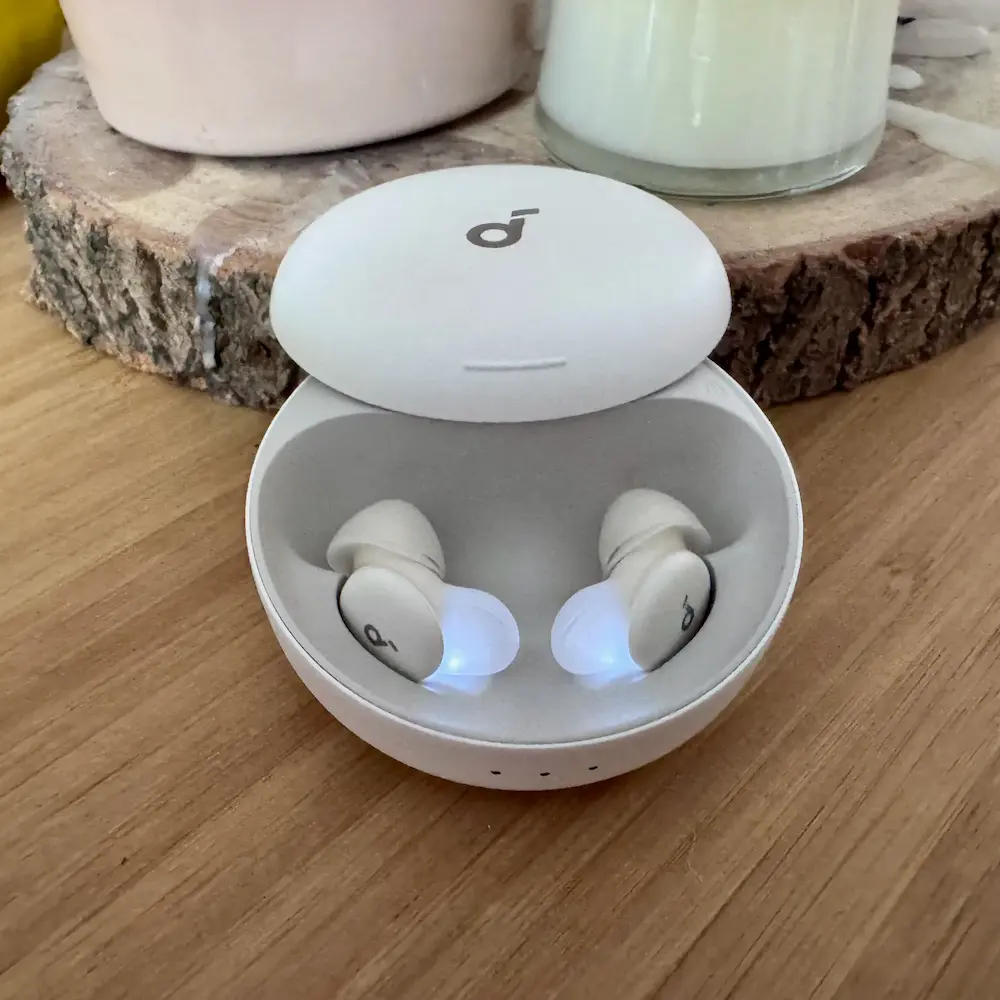
The only dedicated sleep earbud with true active noise cancellation.
Anker’s Soundcore Sleep A30 layers active noise cancellation with an adaptive snore-masking system that listens through the charging case and responds with masking audio. Each earbud weighs about 3 grams with a 3D ergonomic shape built for side sleeping, plus sleep tracking and Calm content in the app.
Pros
- True ANC layered with passive isolation and snore-masking audio
- 3D ergonomic, ~3g design built around side-sleeper comfort
- Sleep tracking, Calm content, and an AI brainwave audio library
Cons
- Runtime drops well below the rated 9-10 hours if ANC and personal audio both run all night
- No wireless charging or fast charging on the case
Soundcore Sleep A20 $$$
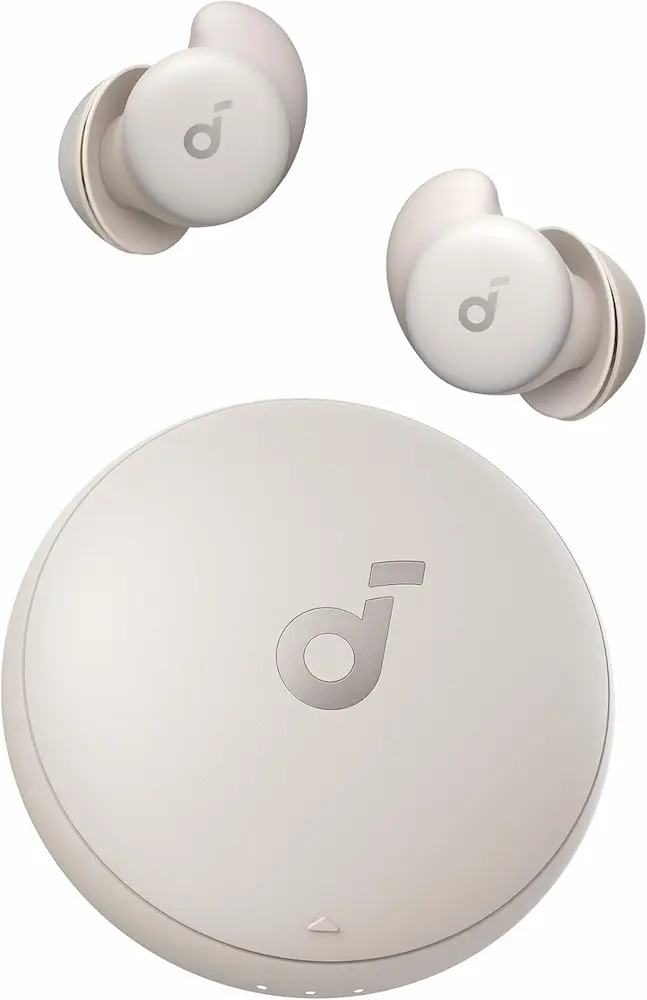
Longer battery life than the A30, minus the noise cancellation.
The A20 is Anker’s earlier sleep earbud, and it trades active noise cancellation for battery life: up to 14 hours in local sleep mode, or 80 hours with the case topped up. Its 4-Point Noise-Masking System and an “Air Wing” fit designed with side sleepers in mind are aimed at the same comfort problem as the A30, just without the ANC hardware drawing power.
Pros
- Up to 14 hours in sleep mode, well ahead of the A30’s runtime
- 4-Point Noise-Masking System plus a side-sleeper-oriented fit
- Lower price than the A30 with the same sleep-analytics tracking
Cons
- No active noise cancellation
- Slightly larger earbud body than the A30, per the brand’s own comparisons
Ozlo Sleepbuds 2 $$$
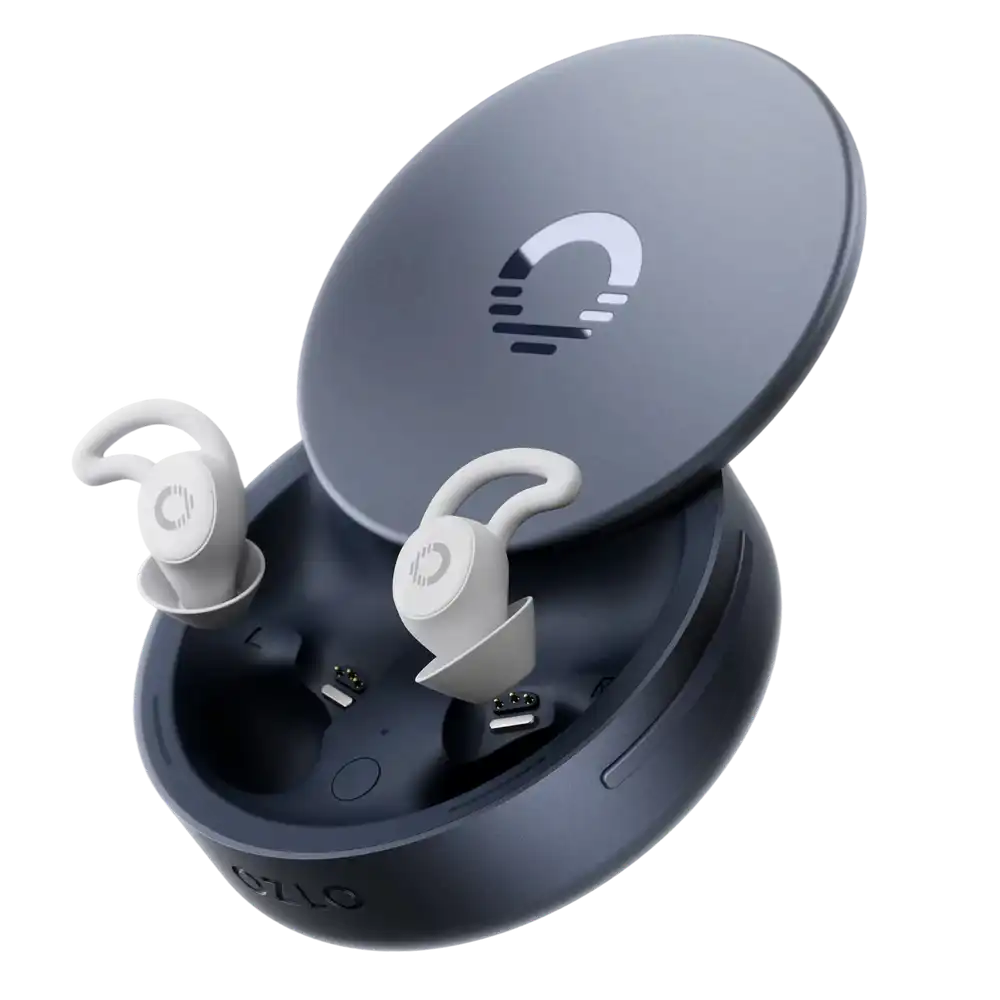
The smallest, lightest sleep earbud on this list.
Ozlo’s own size comparison puts the Sleepbuds 2 as the smallest and lightest here — 1.6 grams, 11mm tall. Instead of ANC, they rely on soft silicone tips plus 60+ adaptive noise-masking sounds tuned for snoring, and a private in-ear alarm that won’t wake a partner.
Pros
- Lightest, smallest profile of any earbud here, per the brand’s own published measurements
- 60+ adaptive noise-masking sounds engineered around snoring
- Private in-ear alarm that won’t wake a partner
Cons
- No microphone for calls, and no onboard controls — volume is app-only
- No active noise cancellation
Headband-Style Sleep Headphones
Nighttime headphones in this style put flat speakers inside a soft fabric band instead of anything sitting on or inside the ear itself — a common answer to “headphones for sleeping on side” once earbuds haven’t worked out.
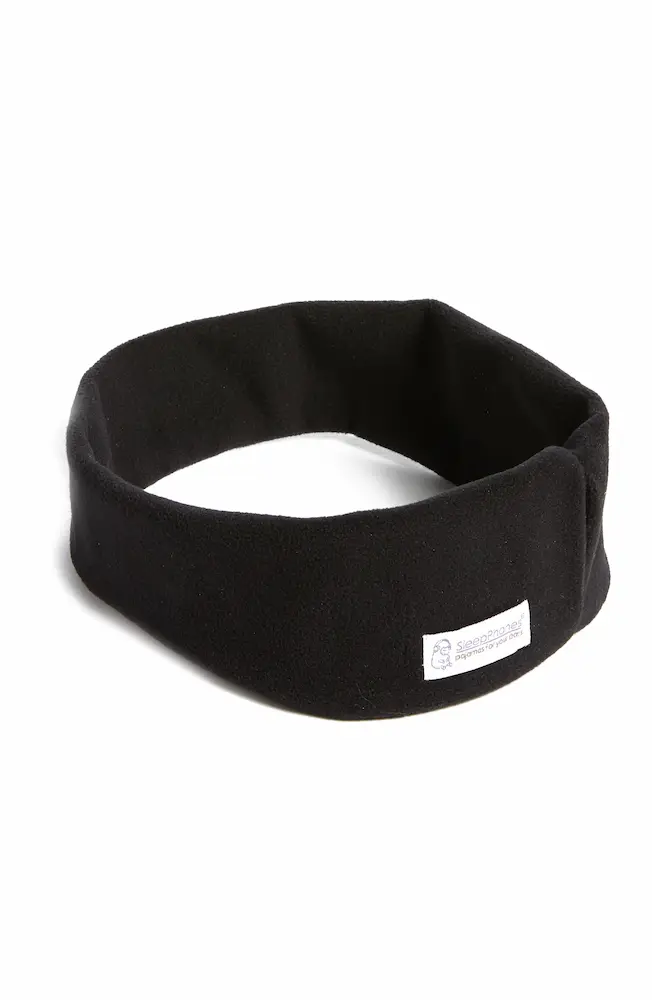
SleepPhones Wireless (AcousticSheep) $$
The original headband-style sleep headphone.
SleepPhones popularized the headband format: two flat speakers sit inside a padded fabric band, with a Bluetooth module tucked into the Wireless version. The whole band is machine-washable once the electronics are removed. The catalog also includes a corded Classic version, an ASMR Edition, and an Effortless version with induction charging for anyone who doesn’t want to fumble for a charging port in the dark.
Pros
- Flat speakers sit inside padded fabric, not against or inside the ear
- Fully machine-washable band once components are removed
- Available corded, standard Bluetooth, or with induction charging
Cons
- Audio quality is simpler than a dedicated earbud, since flat drivers trade detail for comfort
- Speakers can shift slightly inside the band and need occasional repositioning
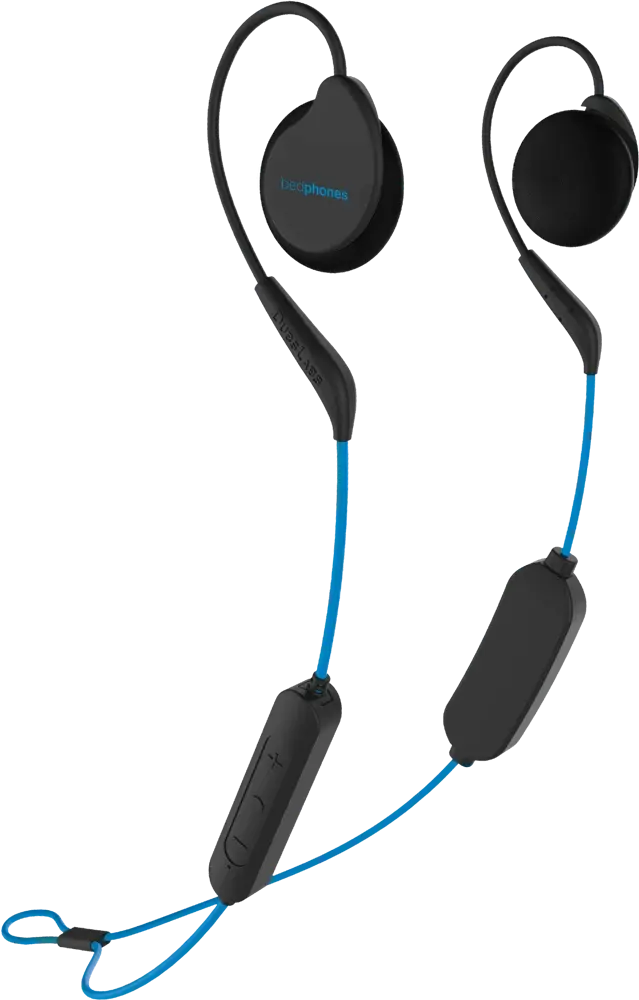
Bedphones Wireless (DubsLabs) $$
Thin, on-ear speakers instead of a full headband.
Bedphones skip the headband entirely in favor of two ultra-thin, on-ear speakers under a quarter-inch thick, held in place by infinitely adjustable, rubber-coated memory-wire earhooks rather than a fixed band. The wireless version runs about 13 hours per charge and includes an inline mic and remote; a wired version is also available for anyone who’d rather skip charging altogether. Worth knowing before you buy: DubsLabs states that Amazon sellers of its products are unauthorized and won’t be covered by its warranty, so buying direct is the safer route for this one.
Pros
- Under 1/4 inch thick — thin enough to have picked up “best sleep headphones” mentions from outlets like Sleep Foundation and Esquire
- Infinitely adjustable memory-wire earhooks instead of a fixed headband size
- 13-hour battery on the wireless version, with an inline mic and remote
Cons
- Not noise-cancelling — masks ambient sound with audio rather than blocking it
- Sits on the ear rather than fully off it, unlike a full headband design
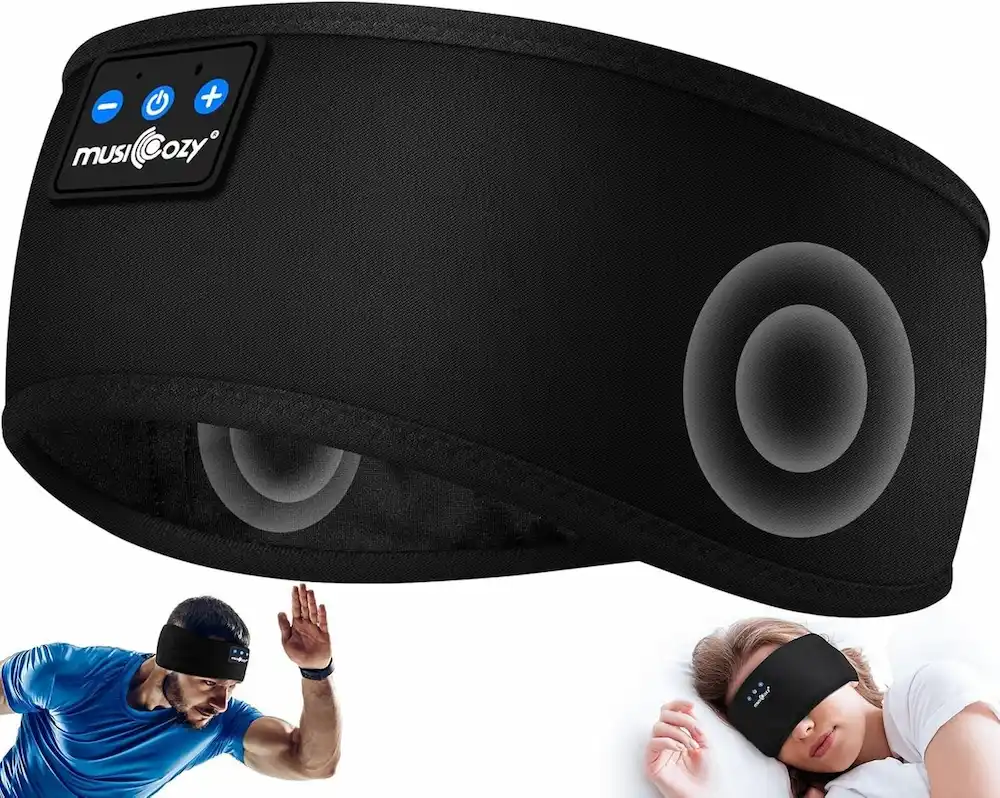
MUSICOZY Sleep Headphones $
A budget-friendly headband built with side sleepers in mind.
MUSICOZY’s Bluetooth 5.4 headband pairs a soft, breathable fabric band with a built-in microphone at a price well under most dedicated sleep earbuds, and it’s marketed specifically as headphones to wear while sleeping for side sleepers. There’s no eartip or hard shell touching the ear canal — the trade-off for the low price is a step down in audio detail and noise isolation compared to pricier headband options.
Pros
- Soft, breathable fabric headband built around side-sleeper comfort
- Built-in microphone and Bluetooth 5.4 at a budget price
- Nothing hard touching the ear canal
Cons
- Speaker placement inside the band can shift and need adjusting overnight
- Audio and isolation trail behind pricier headband options
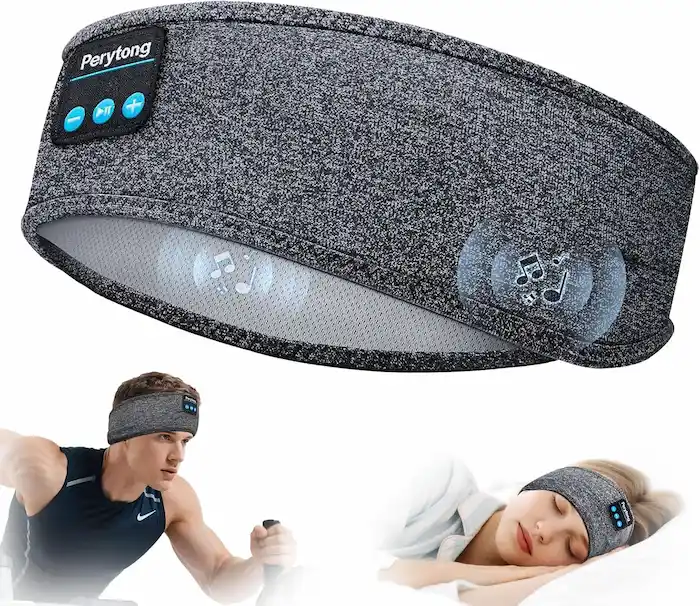
Perytong Sleep Headphones $
A headband, eye mask, and sports band in one.
Perytong builds its Bluetooth headband as a 3-in-1 design — sleep headphones, a light-blocking eye mask, and a sports band — with ultra-thin, padded speakers and a waved edge meant to sit comfortably across the nose bridge. The Bluetooth module and speakers pull out for hand-washing the headband, and the brand rates it for up to 10 hours of playtime on a 2-hour charge, with no status lights or beeps to interrupt sleep.
Pros
- 3-in-1 design doubles as a light-blocking eye mask
- Bluetooth module and speakers are fully removable for washing
- Up to 10 hours per charge, with no status lights or beeps
Cons
- Not active noise-cancelling — relies on fabric and flat speakers to mask sound
- The eye-mask-style coverage won’t suit everyone who just wants soft headphones for sleeping
Tooks $$
A simple, washable headband available corded or Bluetooth.
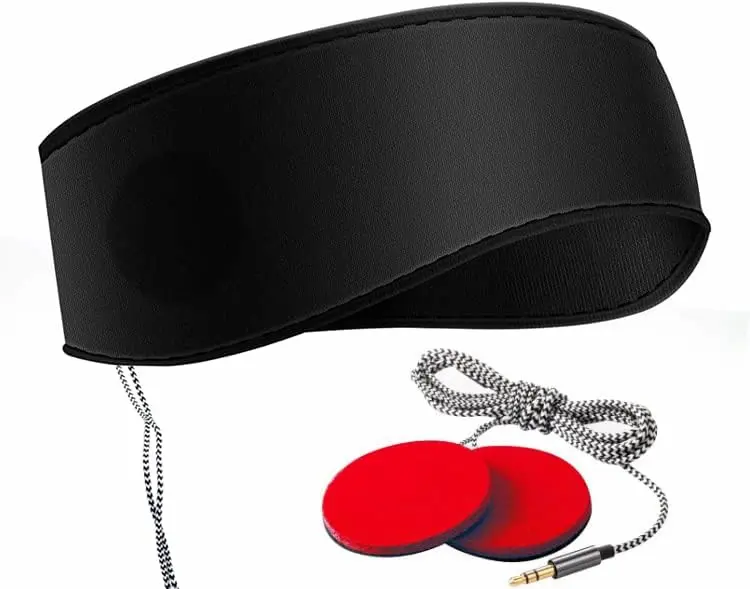
Tooks makes a dryfit, flat-stitched headband with ultra-thin, cushioned speakers that are removable for washing, sold either as a corded Sportband or as a Bluetooth Transmitter version. The Bluetooth model doesn’t pair directly like most competitors here — instead, a small plug-in transmitter connects to your audio source and streams to the headband, which is a workable option if your source device doesn’t have reliable Bluetooth of its own.
Pros
- Dryfit, flat-stitched fabric that stretches to fit most head sizes
- Ultra-thin, cushioned speakers that remove for washing
- Available corded or with a Bluetooth transmitter, depending on preference
Cons
- The Bluetooth version needs a separate plug-in transmitter rather than pairing directly
- Smaller brand with a narrower track record than SleepPhones or Bedphones
Everyday ANC Headphones People Also Sleep In
These weren’t designed for sleep at all — they’re mainstream noise-cancelling earbuds — but their noise cancellation is good enough that plenty of back sleepers use them as their nighttime headphones anyway.
Apple AirPods Pro 3 $$$
Not built for sleep, but hard to beat for noise cancellation.
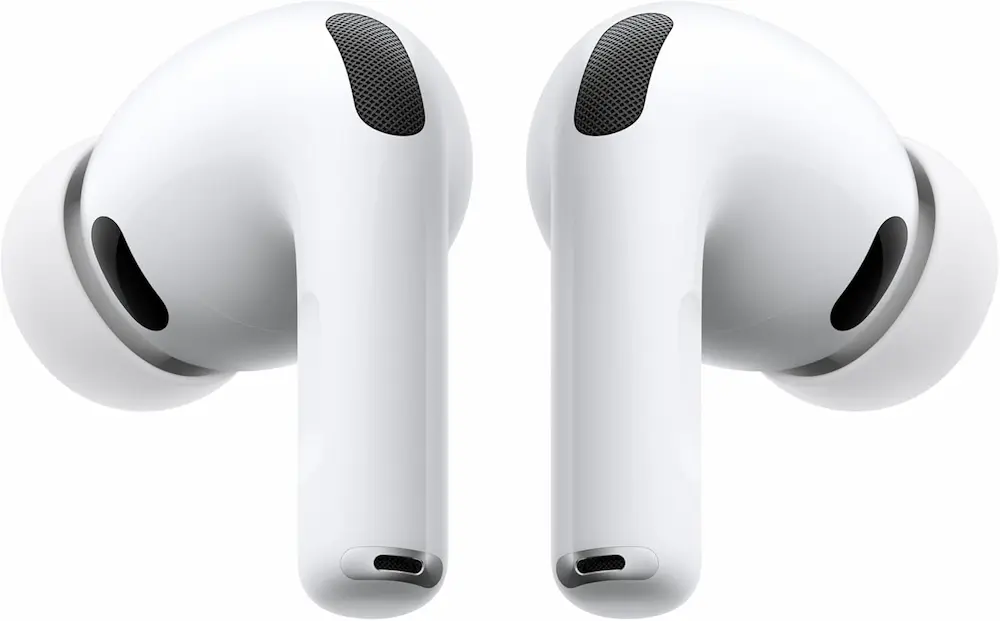
Apple markets the AirPods Pro 3 around what it calls the best in-ear active noise cancellation it’s made, backed by foam-infused eartips in five sizes (including a new XXS), up to 8 hours of battery life with ANC on, and IP57 dust, sweat, and water resistance. None of that is sleep-specific — there’s no sleep tracking, snore masking, or sleep sound library — and the stem shape means they’re really only comfortable headphones to sleep in if you stay on your back.
Pros
- Apple’s best-ever in-ear ANC, with five eartip sizes for a secure seal
- Up to 8 hours of battery life with ANC on, plus IP57 water resistance
- Conversation Awareness automatically lowers volume when you speak to someone nearby
Cons
- Not designed for sleep — the stem shape works against side sleeping
- No sleep tracking, snore masking, or sleep-specific audio library
Bose QuietComfort Ultra Earbuds (2nd Gen) $$$
Bose’s noise-cancelling flagship, tuned to your own ears.
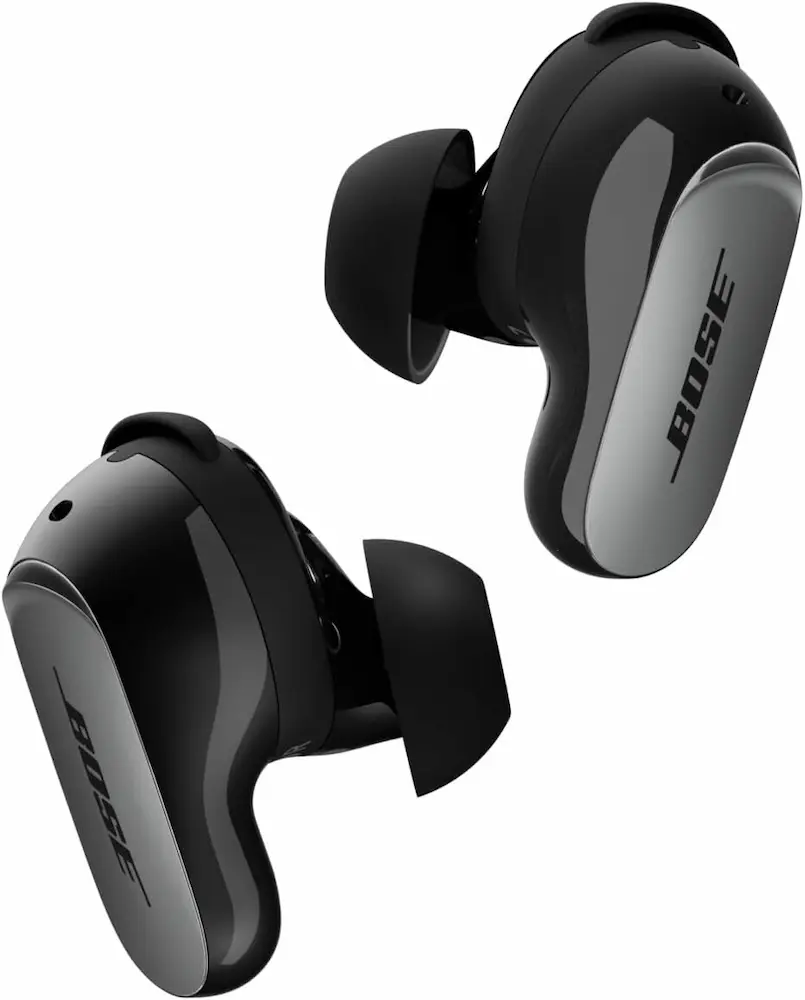
Bose’s CustomTune technology plays a calibration tone as soon as you power the earbuds on and adjusts the sound and noise cancellation to the shape of your own ear, and nine combinations of eartips and stability bands help with getting a secure fit. The 2nd Gen adds a wireless charging case on top of the same ANC and Immersive Audio features as the original. Battery life is the main catch for overnight use: 6 hours with ANC on, or 4 with Immersive Audio active, short of a full night for most sleepers.
Pros
- CustomTune personalizes ANC and audio to your own ear shape
- Nine eartip and stability-band combinations for a secure fit
- Now with a wireless charging case
Cons
- Only 6 hours of battery life (4 with Immersive Audio) — short for a full night
- Built for daytime wear, not specifically for side sleeping
Budget Wired Earbuds
No battery to manage and no Bluetooth to pair — just a 3.5mm plug. These are the most affordable headphones you can sleep in on this list, built around small, soft-tipped designs rather than sleep-specific features.
Maxrock Sleep Earphones $
A wired, budget pick built around a smaller, softer fit.
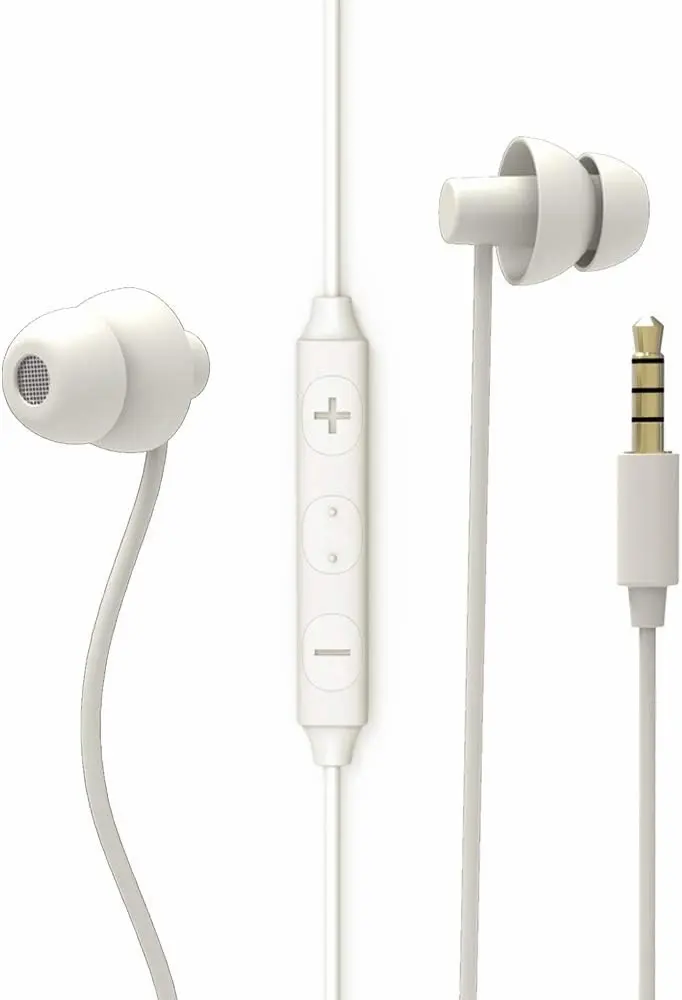
Maxrock’s sleep earphones use a 6mm dynamic driver behind ultra-soft, double-flange silicone tips designed to conform to the ear rather than push against it — one of the more affordable ways to get in ear headphones for sleeping. They’re wired with a 3.5mm plug, an inline microphone, and volume control, and typically sell for well under $20.
Pros
- One of the least expensive options on this list
- Ultra-soft, double-flange silicone tips designed for side sleeping
- Inline microphone and volume control on the cable
Cons
- Wired only, with a 3.5mm plug that needs an adapter on phones without a headphone jack
- Multiple buyer reviews mention the thin cable wearing out before the earbuds do
Final Audio E1000 $
A general-purpose wired earphone with a genuinely custom fit.
Not marketed for sleep — it’s Final Audio’s entry-level wired earphone — but its swing-fit mechanism lets each bud tilt to match your ear canal, and five tip sizes (SS to LL) give a genuinely custom seal. Lightweight ABS housing at 15g with a flexible cable.
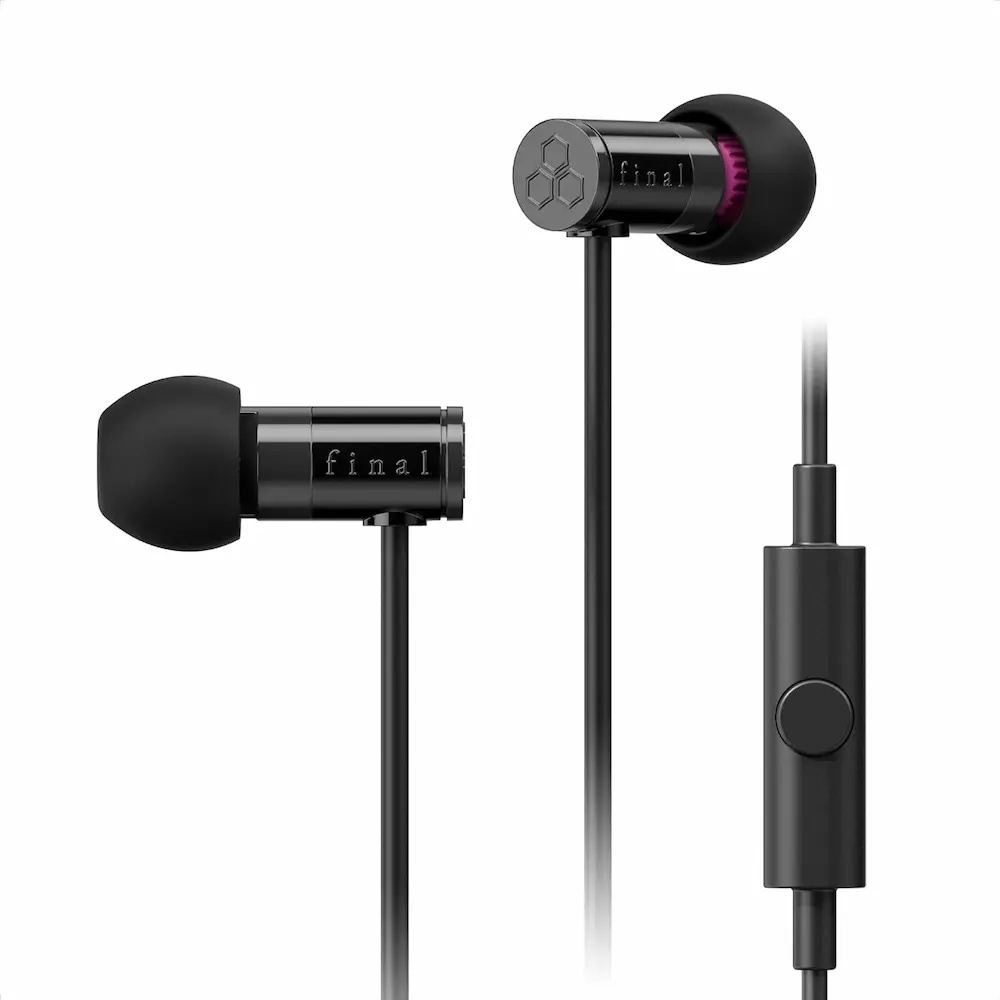
Pros
- Swing-fit mechanism lets each earpiece tilt to match your ear canal
- Five eartip sizes (SS to LL) for a genuinely custom seal
- Lightweight, 15g ABS housing with a flexible, break-resistant cable
Cons
- Wired only, and tuned as a general-purpose earphone rather than for sleep specifically
- No inline microphone or remote
Final Audio E3000 $$
The E1000’s more refined, better-tuned sibling.
The E3000 shares the E1000’s swing-fit design and five-size tip set, in a more refined stainless steel housing with a more balanced, higher-resolution tuning according to Final’s own product notes. It also adds removable ear hooks specifically engineered to cut down on cable-touch noise — useful if you shift around while wearing them. Like the E1000, it’s a general-purpose wired earphone rather than a sleep-specific design, just a step up in build and sound.
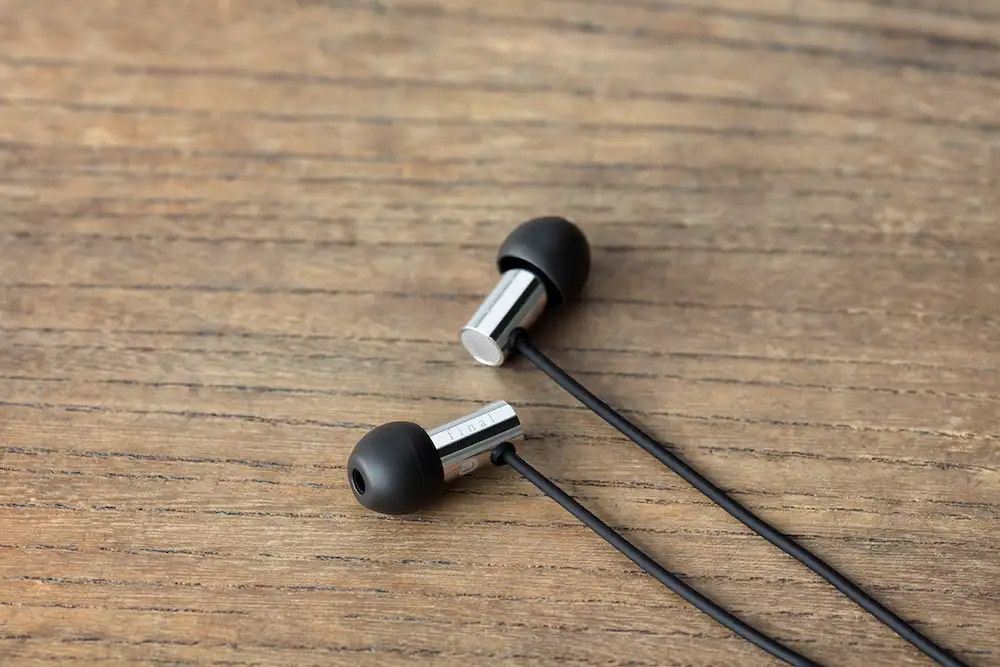
Pros
- Same swing-fit, five-size comfort system as the E1000, in a more refined housing
- Removable ear hooks designed to reduce cable-touch noise
- More balanced, higher-resolution tuning than the E1000, per Final’s own notes
Cons
- The priciest wired option here, and still a general-purpose earphone rather than sleep-specific
- Metal housing is a bit heavier and firmer against the ear than an all-silicone design
Finding the Best Headphones for Sleeping
There isn’t a single best headphones for sleeping pick that works for everyone — the right choice depends heavily on whether you sleep on your side, how tolerant your ears are of in-ear pressure, and whether you’d rather deal with a cord or a nightly charge. Side sleepers who want real noise cancellation tend to land on the Soundcore Sleep A30 or Ozlo Sleepbuds 2; anyone who can’t tolerate anything in the ear canal usually does better with a headband like SleepPhones or Perytong; and if you just want the best headphones to fall asleep with on a tight budget, the wired options at the bottom of this list get the job done without any charging to think about. Use the comparison table above as your shortlist, then weigh the pros and cons of each against how you actually sleep.
Frequently Asked Questions
Can I wear wireless earbuds all night without charging them?
Most true wireless earbuds aren’t built for a full 7-8 hour playback session on one charge, so many people top them up briefly before bed or opt for a headband-style model with a larger built-in battery. Treat the advertised battery life as a rough guide rather than a guarantee, since real-world playback tends to run a bit shorter.
Will headphones fall out if I move around a lot in my sleep?
It comes down to fit more than brand. In-ear designs with multiple eartip sizes and a snug, shallow fit hold up better than one-size buds. Headband-style headphones rarely fall out at all, since the band itself keeps the speakers in place — one reason they’re popular with restless sleepers.
Can I use sleep headphones if I already wear hearing aids or a CPAP mask?
With hearing aids, in-ear buds usually aren’t practical since both compete for space in the ear canal — a thin headband design worn over the ear is generally more workable. With a CPAP mask, check physical clearance first; a low-profile headband or slim in-ear design is less likely to conflict with mask straps than a bulky over-ear headphone.
How do I clean headphones I sleep in every night?
Wipe silicone eartips down with a soft cloth and mild soap and water, and let them fully dry before reinserting. For fabric headbands, check the manufacturer’s care instructions — some have a removable, washable cover, while others should only be spot-cleaned since the internal speakers aren’t waterproof.
What can I use instead if headphones never feel comfortable overnight?
If nothing worn on or in the ear feels right, a small speaker or dedicated pillow speaker near your head delivers audio without any ear contact at all. A basic noise machine is another option if masking background sound matters more to you than listening to specific audio.
Is it okay to fall asleep with earbuds in every single night?
Occasional use generally isn’t a concern, but wearing the same earbuds in the same ears for eight hours every night can trap moisture and earwax for some people — more of an ear-hygiene issue than a hearing-safety one. Cleaning them regularly and giving your ears an occasional night off is a reasonable middle ground if you notice any irritation.
Should I buy sleep headphones from Amazon or the brand’s own website?
Either usually works, but it’s worth checking the brand’s policy first — some, like DubsLabs (maker of Bedphones), explicitly state that Amazon sellers of their products are unauthorized and won’t be covered under warranty. When a brand says that on its own site, buying direct is the safer choice if you want the warranty to be honored.